Saturday, 1 June 2019

Cervical Mucus Method for Natural Family Planning

Overview

The cervical mucus method, also called the Billings Ovulation Method, is a type of natural family planning also known as fertility awareness-based methods.
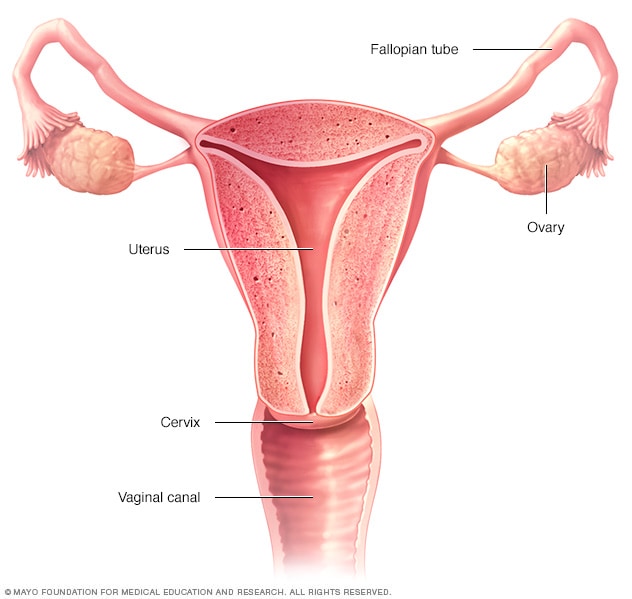
The cervical mucus method is based on careful observation of mucus patterns during the course of your menstrual cycle. Before ovulation, cervical secretions change — creating an environment that helps sperm travel through the cervix, uterus and fallopian tubes to the egg. By recognizing the changing characteristics of your cervical mucus, you can predict when you'll ovulate, which can help you determine when you're most likely to conceive.
If you're hoping to get pregnant, you can use the cervical mucus method to determine the best days to have sex. Similarly, if you're hoping to avoid pregnancy, you can use the cervical mucus method to determine which days to avoid unprotected sex.
Using the cervical mucus method for birth control requires motivation and diligence. If you don't want to conceive, you and your partner must avoid having sex or use a barrier method of contraception during your fertile days each month.

Why it's done

The cervical mucus method can be used as a way to identify fertile times to help you gauge the best days to have or avoid unprotected sex. Tracking your cervical mucus for either fertility or contraception is inexpensive and doesn't have any side effects. Some women choose to use the cervical mucus method for religious reasons.
The cervical mucus method is sometimes combined with another method of natural family planning, such as tracking basal body temperature. This is sometimes referred to as the symptothermal method.

Risks

Using the cervical mucus method to promote fertility doesn't pose any risks.
Likewise, using the cervical mucus method for birth control doesn't pose any direct risks, but it doesn't offer protection from sexually transmitted infections. In addition, the risk of unintended pregnancy with the cervical mucus method is somewhat higher than with other methods of birth control.
It's estimated that as many as 23 out of 100 women practicing the cervical mucus method for birth control will get pregnant in the first year of typical use. But, with correct use, the pregnancy rate may be as low as 3 out of 100 women a year using the cervical mucus method for birth control.
Formal training is usually required to master the cervical mucus method. This method also necessitates ongoing, rigorous daily monitoring. In addition, abstinence — or use of another type of contraception — is typically needed for 10 to 17 days of each cycle.

How you prepare

To use the cervical mucus method, it's important to understand how cervical secretions change during a typical menstrual cycle. Generally, you'll have:
  • No noticeable cervical secretions for three to four days after your period ends
  • Scanty, cloudy and sticky secretions for the next three to five days
  • Abundant, clear and wet secretions for the next three to four days — the period before and during ovulation
  • No noticeable cervical secretions for 11 to 14 days until your next period begins
Although the specific length of these phases may vary, contact your health care provider if your cervical secretions don't follow this general pattern. You may have an infection that requires medical attention.
If you want to use the cervical mucus method for birth control, consult your health care provider first if:
  • You recently had your first period, gave birth, or stopped taking birth control pills or other hormonal contraceptives
  • You're breast-feeding
  • You're approaching menopause
  • You have a condition that disrupts regular ovulation, such as polycystic ovary syndrome
Your health care provider may discourage use of the cervical mucus method if you have persistent reproductive tract infections.

What you can expect

To use the cervical mucus method:
  • Record your cervical secretions for several cycles. Starting the day after your menstrual bleeding stops, observe and record your cervical secretions on a daily chart. To avoid confusing cervical secretions with semen or normal sexual lubrication, avoid sex or use a barrier method of contraception during your first cycle. Also avoid douching, which can wash out cervical secretions and make it difficult to notice changes.
  • Check your cervical secretions before and after urinating. Wipe — front to back — with toilet tissue. Record the color (yellow, white, clear or cloudy), consistency (thick, sticky or stretchy) and feel (dry, wet or slippery) of your secretions. Also note sensations of dryness, moistness or wetness in your vulva.
  • Plan sex carefully during fertile days. You're most fertile when your cervical secretions are abundant, clear, stretchy, wet and slippery — much like a raw egg white. If you're hoping to get pregnant, this is the time to have sex. Ovulation most likely occurs during or one day after your last day of this type of cervical secretion — known as your peak day.
    If you're hoping to avoid pregnancy, unprotected sex is off-limits from the day your cervical secretions begin until four days after your peak day. If you have sex before your cervical secretions begin, you may want to avoid sex the next day and night so that you don't confuse semen and arousal fluids with cervical secretions.
    Some health care providers also recommend avoiding unprotected sex or using a barrier method of contraception during your period because it's difficult to detect cervical secretions when they're mixed with menstrual blood.
Interpreting and charting cervical secretions can be challenging. Most women need more than one instructional session to recognize the pattern of secretions in a typical menstrual cycle. Consult your health care provider with any questions or concerns.

Healthy sperm: Improving your fertility


Healthy sperm aren't always a given. Understand how lifestyle factors can affect your sperm and what you can do to improve your fertility.

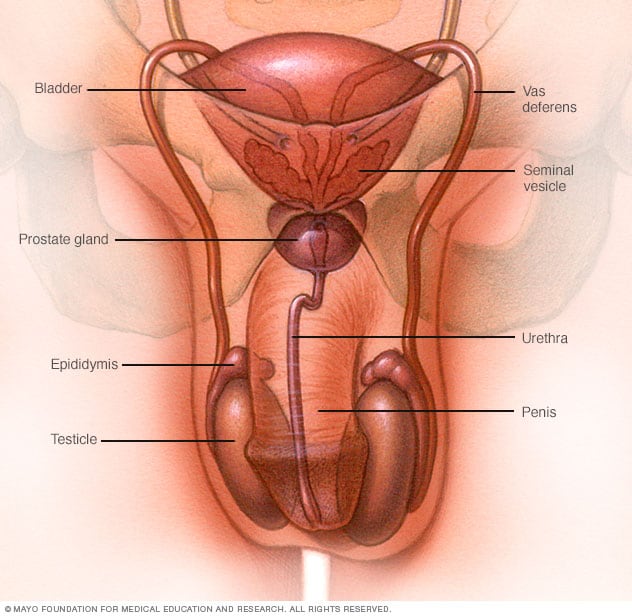
If you and your partner are planning a pregnancy, you might be wondering about the health of your sperm. Understand the factors that can affect male fertility — then consider steps to help your sperm achieve your goal.

What determines sperm health?

Sperm health depends on various factors, including quantity, movement and structure:
  • Quantity. You're most likely to be fertile if your ejaculate — the semen discharged in a single ejaculation — contains at least 15 million sperm per milliliter. Too little sperm in an ejaculation might make it more difficult to get pregnant because there are fewer candidates available to fertilize the egg.
  • Movement. To reach and fertilize an egg, sperm must move — wriggling and swimming through a woman's cervix, uterus and fallopian tubes. This is known as motility. You're most likely to be fertile if at least 40 percent of your sperm are moving.
  • Structure (morphology). Normal sperm have oval heads and long tails, which work together to propel them. While not as important a factor as sperm quantity or movement, the more sperm you have with a normal shape and structure, the more likely you are to be fertile.

What causes male fertility problems?

Various medical issues can contribute to male fertility problems, including:
  • A problem in the hypothalamus or the pituitary gland — parts of the brain that signal the testicles to produce testosterone and sperm (secondary hypogonadism)
  • Testicular disease
  • Sperm transport disorders
Age can also play a role. The ability of sperm to move and the proportion of normal sperm tend to decrease with age, affecting fertility, especially after age 50.

What's the best way to produce healthy sperm?

You can take simple steps to increase your chances of producing healthy sperm. For example:
  • Maintain a healthy weight. Some research suggests that increasing body mass index (BMI) is linked with decreasing sperm count and sperm movement.
  • Eat a healthy diet. Choose plenty of fruits and vegetables, which are rich in antioxidants — and might help improve sperm health.
  • Prevent sexually transmitted infections (STIs). Sexually transmitted infections — such as chlamydia and gonorrhea — can cause infertility in men. To protect yourself, limit your number of sexual partners and use a condom each time you have sex — or stay in a mutually monogamous relationship with a partner who isn't infected.
  • Manage stress. Stress can decrease sexual function and interfere with the hormones needed to produce sperm.
  • Get moving. Moderate physical activity can increase levels of powerful antioxidant enzymes, which can help protect sperm.

What's off-limits?

Sperm can be especially vulnerable to environmental factors, such as exposure to excessive heat or toxic chemicals. To protect your fertility:
  • Don't smoke. Men who smoke cigarettes are more likely to have low sperm counts. If you smoke, ask your doctor to help you quit.
  • Limit alcohol. Heavy drinking can lead to reduced testosterone production, impotence and decreased sperm production. If you drink alcohol, do so in moderation.
  • Avoid lubricants during sex. While further research is needed on the effects of lubricants on fertility, consider avoiding lubricants during intercourse. If necessary, consider using baby oil, canola oil, egg white or a fertility-friendly lubricant, such as Pre-Seed.
  • Talk to your doctor about medications. Calcium channel blockers, tricyclic antidepressants, anti-androgens and other medications can contribute to fertility issues. Anabolic steroids can have the same effect.
  • Watch out for toxins. Exposure to pesticides, lead and other toxins can affect sperm quantity and quality. If you must work with toxins, do so safely. For example, wear protective clothing and equipment, and avoid skin contact with chemicals.
  • Stay cool. Increased scrotal temperature can hamper sperm production. Although the benefits have not been fully proved, wearing loose-fitting underwear, reducing sitting, avoiding saunas and hot tubs, and limiting scrotum exposure to warm objects, such as a laptop, might enhance sperm quality.
Chemotherapy and radiation therapy for cancer can impair sperm production and cause infertility that might be permanent. Ask your doctor about the possibility of retrieving and storing sperm before treatment.

When is it time to seek help?

Adopting healthy lifestyle practices to promote your fertility — and avoiding things that can damage it — can improve your chances of conceiving. If you and your partner haven't gotten pregnant after a year of unprotected sex, however, you might consider being evaluated for infertility. A fertility specialist also might be able to identify the cause of the problem and provide treatments that place you and your partner on the road to parenthood.

Friday, 31 May 2019

Cervical Cancer

Overview

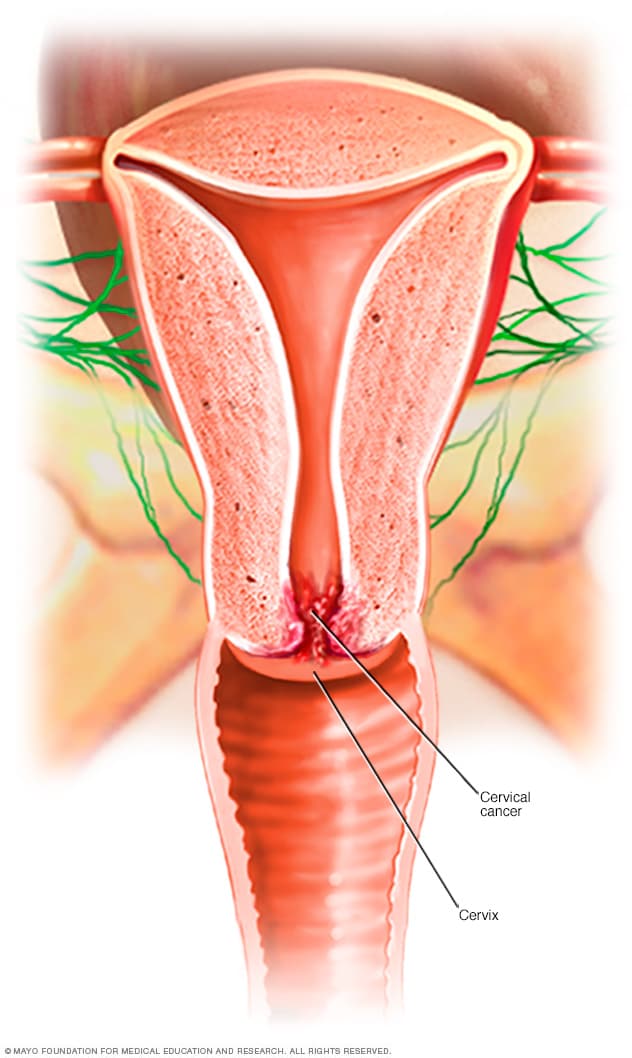
Cervical cancer is a type of cancer that occurs in the cells of the cervix — the lower part of the uterus that connects to the vagina.
Various strains of the human papillomavirus (HPV), a sexually transmitted infection, play a role in causing most cervical cancer.
When exposed to HPV, a woman's immune system typically prevents the virus from doing harm. In a small group of women, however, the virus survives for years, contributing to the process that causes some cells on the surface of the cervix to become cancer cells.
You can reduce your risk of developing cervical cancer by having screening tests and receiving a vaccine that protects against HPV infection.

Symptoms

Early-stage cervical cancer generally produces no signs or symptoms.
Signs and symptoms of more-advanced cervical cancer include:
  • Vaginal bleeding after intercourse, between periods or after menopause
  • Watery, bloody vaginal discharge that may be heavy and have a foul odor
  • Pelvic pain or pain during intercourse

When to see a doctor

Make an appointment with your doctor if you have any signs or symptoms that concern you.

Causes

Cervical cancer begins when healthy cells acquire a genetic change (mutation) that causes them to turn into abnormal cells.
Healthy cells grow and multiply at a set rate, eventually dying at a set time. Cancer cells grow and multiply out of control, and they don't die. The accumulating abnormal cells form a mass (tumor). Cancer cells invade nearby tissues and can break off from a tumor to spread (metastasize) elsewhere in the body.
It isn't clear what causes cervical cancer, but it's certain that HPV plays a role. HPV is very common, and most women with the virus never develop cervical cancer. This means other factors — such as your environment or your lifestyle choices — also determine whether you'll develop cervical cancer.

Types of cervical cancer

The type of cervical cancer that you have helps determine your prognosis and treatment. The main types of cervical cancer are:
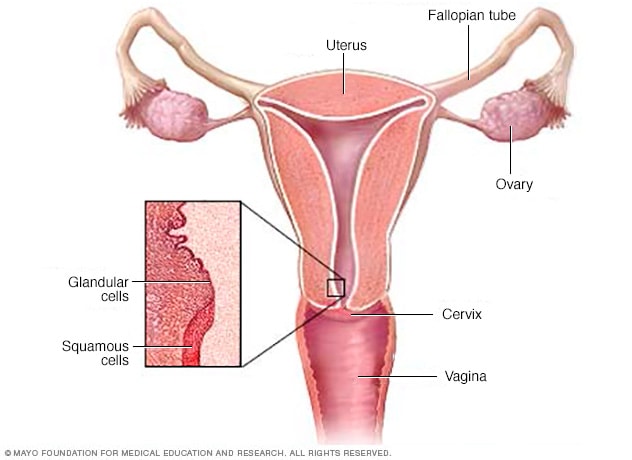
  • Squamous cell carcinoma. This type of cervical cancer begins in the thin, flat cells (squamous cells) lining the outer part of the cervix, which projects into the vagina. Most cervical cancers are squamous cell carcinomas.
  • Adenocarcinoma. This type of cervical cancer begins in the column-shaped glandular cells that line the cervical canal.
Sometimes, both types of cells are involved in cervical cancer. Very rarely, cancer occurs in other cells in the cervix.

Risk factors

Risk factors for cervical cancer include:
  • Many sexual partners. The greater your number of sexual partners — and the greater your partner's number of sexual partners — the greater your chance of acquiring HPV.
  • Early sexual activity. Having sex at an early age increases your risk of HPV.
  • Other sexually transmitted infections (STIs). Having other STIs — such as chlamydia, gonorrhea, syphilis and HIV/AIDS — increases your risk of HPV.
  • A weak immune system. You may be more likely to develop cervical cancer if your immune system is weakened by another health condition and you have HPV.
  • Smoking. Smoking is associated with squamous cell cervical cancer.

Prevention

To reduce your risk of cervical cancer:
  • Get vaccinated against HPV.Vaccination is available for girls and women ages 9 to 26. The vaccine is most effective if given to girls before they become sexually active.
  • Have routine Pap tests. Pap tests can detect precancerous conditions of the cervix, so they can be monitored or treated in order to prevent cervical cancer. Most medical organizations suggest women begin routine Pap tests at age 21 and repeat them every few years.
  • Practice safe sex. Using a condom, having fewer sexual partners and delaying intercourse may reduce your risk of cervical cancer.
  • Don't smoke.

Revised FIGO staging for cervical cancer 2018

Stage I:
The carcinoma is strictly confined to the cervix uteri (extension to the corpus should be disregarded)
  • IA Invasive carcinoma that can be diagnosed only by microscopy, with maximum depth of invasion <5 mma
    • IA1 Measured stromal invasion <3 mm in depth
    • IA2 Measured stromal invasion ≥3 mm and <5 mm in depth
  • IB Invasive carcinoma with measured deepest invasion ≥5 mm (greater than stage IA), lesion limited to the cervix uterib
    • IB1 Invasive carcinoma ≥5 mm depth of stromal invasion and <2 cm in greatest dimension
    • IB2 Invasive carcinoma ≥2 cm and <4 cm in greatest dimension
    • IB3 Invasive carcinoma ≥4 cm in greatest dimension
Stage II:
The carcinoma invades beyond the uterus, but has not extended onto the lower third of the vagina or to the pelvic wall
  • IIA Involvement limited to the upper two‐thirds of the vagina without parametrial involvement
    • IIA1 Invasive carcinoma <4 cm in greatest dimension
    • IIA2 Invasive carcinoma ≥4 cm in greatest dimension
  • IIB With parametrial involvement but not up to the pelvic wall
Stage III:
The carcinoma involves the lower third of the vagina and/or extends to the pelvic wall and/or causes hydronephrosis or non‐functioning kidney and/or involves pelvic and/or paraaortic lymph nodesc
  • IIIA Carcinoma involves the lower third of the vagina, with no extension to the pelvic wall
  • IIIB Extension to the pelvic wall and/or hydronephrosis or non‐functioning kidney (unless known to be due to another cause)
  • IIIC Involvement of pelvic and/or paraaortic lymph nodes, irrespective of tumor size and extent (with r and p notations)c
    • IIIC1 Pelvic lymph node metastasis only
    • IIIC2 Paraaortic lymph node metastasis
Stage IV:
The carcinoma has extended beyond the true pelvis or has involved (biopsy proven) the mucosa of the bladder or rectum. A bullous edema, as such, does not permit a case to be allotted to stage IV
  • IVA Spread of the growth to adjacent organs
  • IVB Spread to distant organs

Saturday, 5 January 2019

Low Sex Drive in Women

Overview

Women's sexual desires naturally fluctuate over the years. Highs and lows commonly coincide with the beginning or end of a relationship or with major life changes, such as pregnancy, menopause or illness. Some medications used for mood disorders also can cause low sex drive in women.
If your lack of interest in sex continues or returns and causes personal distress, you may have a condition called hypoactive sexual desire disorder (HSDD).
But you don't have to meet this medical definition to seek help. If you're bothered by a low sex drive or decreased sex drive, there are lifestyle changes and sexual techniques that may put you in the mood more often. Some medications may offer promise as well.

Symptoms

If you want to have sex less often than your partner does, neither one of you is necessarily outside the norm for people at your stage in life — although your differences may cause distress.
Similarly, even if your sex drive is weaker than it once was, your relationship may be stronger than ever. Bottom line: There is no magic number to define low sex drive. It varies between women.
Symptoms of low sex drive in women include:
  • Having no interest in any type of sexual activity, including masturbation
  • Never or only seldom having sexual fantasies or thoughts
  • Being concerned by your lack of sexual activity or fantasies

When to see a doctor

If you're concerned by your low desire for sex, talk to your doctorThe solution could be as simple as changing a medication you are taking, and improving any chronic medical conditions such as high blood pressure or diabetes.


Causes

Desire for sex is based on a complex interaction of many things affecting intimacy, including physical and emotional well-being, experiences, beliefs, lifestyle, and your current relationship. If you're experiencing a problem in any of these areas, it can affect your desire for sex.

Physical causes

A wide range of illnesses, physical changes and medications can cause a low sex drive, including:
  • Sexual problems. If you have pain during sex or can't orgasm, it can reduce your desire for sex.
  • Medical diseases. Many nonsexual diseases can affect sex drive, including arthritis, cancer, diabetes, high blood pressure, coronary artery disease and neurological diseases.
  • Medications. Certain prescription drugs, especially antidepressants called selective serotonin reuptake inhibitors, are known to lower the sex drive.
  • Lifestyle habits. A glass of wine may put you in the mood, but too much alcohol can affect your sex drive. The same is true of street drugs. Also, smoking decreases blood flow, which may dull arousal.
  • Surgery. Any surgery related to your breasts or genital tract can affect your body image, sexual function and desire for sex.
  • Fatigue. Exhaustion from caring for young children or aging parents can contribute to low sex drive. Fatigue from illness or surgery also can play a role in a low sex drive.

Hormone changes

Changes in your hormone levels may alter your desire for sex. This can occur during:
  • Menopause. Estrogen levels drop during the transition to menopause. This can make you less interested in sex and cause dry vaginal tissues, resulting in painful or uncomfortable sex. Although many women still have satisfying sex during menopause and beyond, some experience a lagging libido during this hormonal change.
  • Pregnancy and breast-feeding.Hormone changes during pregnancy, just after having a baby and during breast-feeding can put a damper on sex drive. Fatigue, changes in body image, and the pressures of pregnancy or caring for a new baby also can contribute to changes in your sexual desire.

Psychological causes

Your state of mind can affect your sexual desire. There are many psychological causes of low sex drive, including:
  • Mental health problems, such as anxiety or depression
  • Stress, such as financial stress or work stress
  • Poor body image
  • Low self-esteem
  • History of physical or sexual abuse
  • Previous negative sexual experiences

Relationship issues

For many women, emotional closeness is an essential prelude to sexual intimacy. So problems in your relationship can be a major factor in low sex drive. Decreased interest in sex is often a result of ongoing issues, such as:
  • Lack of connection with your partner
  • Unresolved conflicts or fights
  • Poor communication of sexual needs and preferences
  • Trust issues

Sunday, 10 June 2018

Medical Abortion in Very Early Pregnancy


Despite the availability of highly effective contraceptive methods, approximately 50% of pregnancies are not planned, and about half of these are terminated.For a long time, surgical methods of pregnancy termination were available: sharp or suction curettage in the first trimester of gestation, and dilatation and evacuation in the second trimester. Subsequently, medical options that interfere with the progesterone support (mifepristone) and induce uterine contractions (misoprostol) became available. Various doses, combinations, and routes of administration are in use. The efficacy of these medical options has been proven up until 9 weeks' gestation, and their use has been increasing.Typically, before prescribing one of these medications, ultrasound is used to confirm the intrauterine location of the pregnancy, and laboratory or ultrasound follow-up is performed to document the completeness of the process.
In many cases, however, a decision to abort the pregnancy is made at a very early stage, when ultrasound cannot yet detect the pregnancy. The efficacy of medical options in very early pregnancy has not been well studied. A recent systematic review evaluated the efficacy of medical abortion before 42 days of gestation.

Systematic Review Findings

The review summarizes the findings of six randomized controlled trials (RCTs) and nine prospective observational studies of mifepristone and misoprostol use for medical abortion. There is considerable heterogeneity with respect to the dose of mifepristone (50 mg-600 mg) or misoprostol (200 µg-800 µg) used and the route of misoprostol administration (oral, buccal, vaginal). The primary outcome in these studies was successful abortion (defined as no need for surgical procedures).
The pooled estimate of unsuccessful medical abortion was 0.02 (95% confidence interval [CI], 0.01-0.03) in the RCTs and 0.04 (95% CI, 0.03-0.06) in the observational studies. When the efficacy of medical abortion up to 42 days gestation was compared with that of medical abortion between days 43 and 49, no significant difference was found (RCTs: odds ratio [OR], 0.51; 95% CI, 0.21-1.27; observational studies: OR 0.9; 95% CI: 0.6-1.33). The investigators concluded that mifepristone and misoprostol provide effective medical abortion for very early pregnancies (up to 42 days).

Viewpoint

Following successful fertilization and embryo cleavage, most blastocysts implant in the uterine cavity. In 1%-2% of pregnancies, however, the implantation occurs in extrauterine locations. Most clinically diagnosed pregnancies progress normally, but 15%-25% are miscarried, mostly as a result of random genetic errors.In the case of intrauterine implantation around week 5 of gestation, the sac can be visualized. If pregnancy is not desired, termination involves a choice between surgical and medical methods. The decision is less obvious when the sac cannot yet be visualized and its intrauterine location cannot be confirmed.
Under well-controlled conditions using sedation and appropriate pain control, surgical termination of pregnancy is associated with minimal bleeding or pain. However, it can be associated with surgical complications (trauma, heavier bleeding, infection), which can lead to further interventions.
Medical abortion can be more painful because the products of conception have to be expelled from the uterus, and it is accompanied by prolonged bleeding. Still, medical abortion obviates surgical complications and is significantly cheaper.
This study showed that medical abortion is effective even in very early pregnancy, when the location of the pregnancy cannot be confirmed by ultrasound. Therefore, there is no need to delay the intervention. Compared with a later stage of pregnancy, medical abortion at an earlier stage may cause less pain and bleeding. Home use may be considered. Appropriate patient selection (no increased risk for or symptoms of ectopic pregnancy, appropriate follow-up to confirm successful abortion, patient compliance) is obviously important
https://www.facebook.com/gyncentre/Gynaecology Centre - Nairobi
For help mail us at gyncentre@gmail.com or Contact via: 0798721580

Tuesday, 22 May 2018

How does being overweight affect fertility?


How does being overweight affect fertility?

May 22, 2018
by Karin Hammarberg, The Conversation
How does being overweight affect fertility?
Diet and exercise are more likely to succeed when done together. Credit: www.shutterstock.com
The proportion of Australians who are overweight or obese is at an all-time high. We know excess weight is linked to many adverse health consequences, but there is now growing understanding that it also affects fertility.
Excess weight affects female fertility
A fine  regulates the menstrual cycle. Overweight and obese  have higher levels of a hormone called leptin, which is produced in fatty tissue. This can disrupt the hormone balance and lead to reduced fertility.
The quantity and distribution of body fat affect the menstrual cycle through a range of hormonal mechanisms. The more  and the more abdominal fat, the greater the risk of fertility difficulties.
Excess weight, particularly excess abdominal fat, is linked to insulin resistance (when the body has to produce more insulin to keep blood sugar levels normal) and decreased levels of sex hormone-binding globulin (SHBG), a protein that is involved in the regulation of the sex-hormones androgen and oestrogen.
This increases the risk of , which in turn reduces fertility. One study found women who were obese were much less likely to conceive within one year of stopping contraception than women in the normal weight range (66.4% of obese women conceive within 12 months, compared with 81.4% of women of normal weight).
Changes in the fine-tuned hormonal balance that regulates the menstrual cycle triggered by excess weight and obesity also increase the risk of anovulation (when no egg is released by the ovaries). Women with a body mass index (BMI) above 27 are three times more likely than women in the normal weight range to be unable to conceive because they don't ovulate.
Many women who carry excess weight still ovulate, but it appears the quality of the eggs they produce is reduced. The evidence for this is that among women who ovulate, each unit of BMI above 29 reduces the chance of achieving a pregnancy within 12 months by about 4%.
This means that for a woman with a BMI of 35, the likelihood of getting pregnant within a year is 26% lower, and for a woman with a BMI of 40 it is 43% lower compared with women with a BMI between 21 and 29.
And when couples use IVF to conceive, the chance of a  is lower for women who are overweight or obese than for women with normal BMI. On average, compared to women in the healthy weight range, the chance of a live birth with IVF is reduced by 9% in women who are overweight and 20% in women who are obese .
Excess weight affects male fertility
In men, obesity is also associated with lower fertility. This is likely due to a combination of factors. These include hormone problems, sexual dysfunction and other health conditions linked to obesity such as type 2 diabetes and sleep apnoea (which are both associated with lowered testosterone levels and erectile problems.
review of studies on the effects of paternal obesity on reproductive outcomes found obese men were more likely to experience infertility and less likely to have a live birth if they and their partner used assisted reproduction technology (ART) such as IVF.
This is thought to be because obesity not only reduces sperm quality, it also changes the physical and molecular structure of sperm cells.
The good news
While the facts about obesity and fertility can seem daunting, there is some good news too. Weight-loss interventions, particularly those that include both diet and exercise, can promote  regularity and improve the chance of pregnancy. In  with anovulatory infertility, even a modest weight loss of 5-10% improves fertility and the chance of conceiving.
A weight loss of 7% of body weight and increased physical activity to at least 150 minutes a week of moderate intensity activity is recommended to improve the health and fertility of people who carry excess .
Lastly, men and women are twice as likelyto make positive health behaviour change if their partner does too. So becoming pregnant will be more likely if you diet and exercise together.
WhatsApp 0798721580   or call 0753321312@gyncentre